
Starting Smart: Building a Chiropractic Practice That Works for You
Why does starting a chiropractic practice require preparation beyond clinical skills?
Graduating with a Doctor of Chiropractic degree is an exciting milestone, but it is also the beginning of a new responsibility. Many future chiropractors dream of owning a practice where they can serve their community, express their professional philosophy, and build a life centered on meaningful work.
Starting a chiropractic practice successfully requires more than clinical knowledge. It requires communication skills, leadership, and a clear understanding of how to build a sustainable business rooted in service.
At Sherman College of Chiropractic, preparation for practice ownership begins long before graduation. Through a structured curriculum focused on professionalism, communication, and business development, students gain the tools to transition confidently from student to doctor.
This preparation helps graduates move into the profession with clarity, purpose, and a plan for building a practice that reflects their values.
How does Sherman College prepare students to start a chiropractic practice?
Sherman College integrates practice preparation throughout the Doctor of Chiropractic program. The BUSI curriculum introduces students to the practical aspects of operating a professional chiropractic office while maintaining a focus on service and ethical leadership.
Students learn how to:
- Develop a clear professional mission and vision
- Identify the communities they want to serve
- Create sustainable practice systems
- Communicate chiropractic principles with clarity and confidence
- Build professional relationships that support patient trust
These courses help students understand that a successful practice grows from thoughtful preparation and consistent service.
By linking chiropractic philosophy with practical business structure, Sherman prepares graduates to build practices that are both principled and sustainable.
Why is applying business concepts during chiropractic education important?
Learning business concepts in theory is valuable, but applying them in real-world settings is what builds confidence.
Sherman students begin applying practice principles while they are still in school. In the classroom, they work through foundational business planning exercises that help them think strategically about practice ownership.
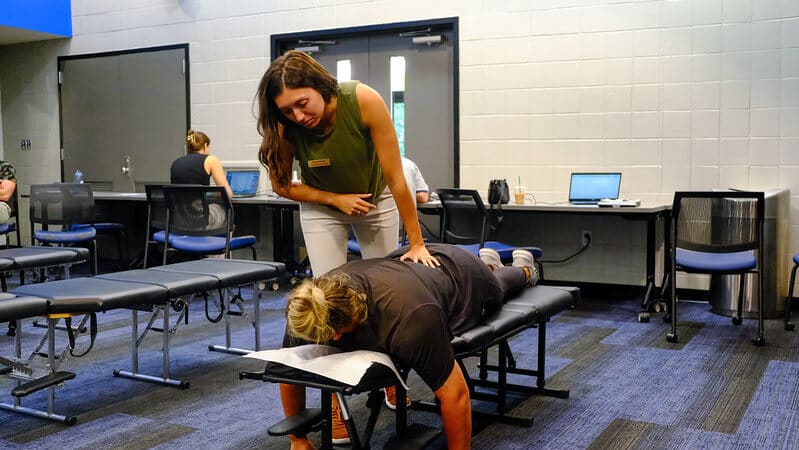
In the Sherman Chiropractic Health Center, students experience firsthand how organization, communication, and patient relationships shape the flow of a successful practice.
Later in the program, students can choose to participate in the Practice Management Observation Experience (PMOE). During these observations, students visit established chiropractic offices to see how real practices operate day-to-day.
During PMOE students observe:
- Office systems and workflow
- Team communication and leadership
- Patient education and engagement
- The culture that supports long-term practice growth
- Each experience becomes another step toward professional independence.
What does it mean to start small and grow a chiropractic practice wisely?
Many new chiropractors believe success requires opening a large office immediately. Sherman teaches a different perspective: start smart and build a strong foundation.
Starting with small chiropractic office allows new doctors to:
- Manage overhead responsibly
- Refine their systems and procedures
- Develop meaningful patient relationships
- Focus on delivering consistent, high-quality care
Successful practices are rarely built overnight. They grow through clarity of purpose, steady service, and trust within the community.
Sherman graduates understand that growth follows mastery of fundamentals: communication, organization, and commitment to patient-centered care.
How does communication shape leadership in chiropractic practice?
Leadership in practice begins with communication. The way a chiropractor communicates with patients, staff, and the community directly influences the culture and success of a clinic.
Sherman’s curriculum places a strong emphasis on professional communication. Students learn how to explain chiropractic principles clearly and confidently while maintaining compassion and respect for every individual they serve.
Communication skills leaned in the Sherman College BUSI curriculum help graduates:
- Build long-term patient relationships
- Lead teams effectively
- Educate their communities about chiropractic care
- Create an environment where patients feel valued and understood
Strong communication transforms a clinic from a place of appointments into a trusted center for health and connection.
Why is purpose essential when building a chiropractic practice?
A chiropractic practice is more than a business. It is a platform for service.
Sherman College teaches that long-term success comes from aligning professional decisions with a clear sense of purpose. Chiropractors who understand their mission are better equipped to navigate challenges, grow responsibly, and remain committed to serving their communities.
This perspective reflects the foundational philosophy of chiropractic. Early chiropractic writings emphasized that the body functions through the expression of intelligence within the nervous system. As described in the foundational chiropractic literature, the role of the chiropractor is to help restore proper expression by locating and adjusting vertebral subluxations.
When chiropractors remain focused on this purpose, practice becomes more than a career – it becomes a lifelong service.
How does the BUSI program help chiropractic students prepare for ownership?
The BUSI program at Sherman College provides a framework that connects chiropractic education with real-world practice development.
Through the integrated BUSI curriculum, students gain experience in:
- Business planning
- Professional communication
- Ethical leadership
- Practice organization
- Patient relationship development
These skills allow graduates to turn their vision for practice into actionable steps.
Rather than entering the profession uncertain about the future, Sherman graduates move forward with the confidence that comes from preparation.
Begin Your Journey Toward Practice Ownership
If you are exploring chiropractic as a profession, it is important to choose a program that prepares you not only to deliver excellent care but also to build a meaningful career.
Sherman College of Chiropractic prepares students for both.
Through hands-on experience, leadership development, and business preparation, Sherman equips graduates to start smart, grow responsibly, and build practices that serve their communities with purpose.
If you are ready to explore the path to becoming a chiropractor, consider visiting Sherman College and experiencing the campus firsthand.
Frequently Asked Questions About Starting an Office
What is the best way to start a chiropractic practice after graduation?
The best way to start a chiropractic practice is by building a strong foundation first. This includes developing communication skills, understanding practice management, and creating systems that support patient-centered care.
How does chiropractic school prepare students for practice ownership?
Some chiropractic programs, including Sherman College, integrate business, communication, and leadership training throughout the curriculum so students graduate with practical preparation for running a clinic.
Do most chiropractors open their own practice?
Many chiropractors eventually open their own practice, although some choose to begin their careers as associates. Education in business development helps graduates evaluate which path aligns with their goals.
Why is communication important in chiropractic practice?
Clear communication helps chiropractors explain care plans, educate patients about chiropractic principles, and build trust within their communities.
What skills are most important when starting a chiropractic practice?
Key skills include:
- Communication and patient education
- Business planning and organization
- Leadership and professionalism
- Consistency in delivering quality care
Can chiropractic students learn business skills during their education?
Yes. Many chiropractic programs include business training so students can learn how to build and manage a successful practice before graduation.